
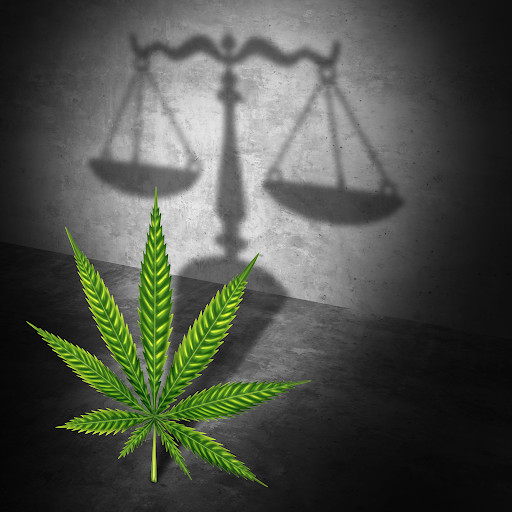
IS THE ODOR OF MARIJUANA ENOUGH TO DETAIN, INVESTIGATE, AND SEARCH A PERSON AND THEIR VEHICLE?
According to three recent North Carolina Supreme Court decisions (State v. Dobson, 929 S.E.2d 315; State v. Rowdy, 929 S.E.2d 324; and State v. Schine,
 4.9Top Rated Serviceverified by TrustindexTrustindex verifies that the company has a review score above 4.5, based on reviews collected on Google over the past 12 months, qualifying it to receive the Top Rated Certificate.
Not only do you face the loss of your driver’s license, but prison sentences imposed can be as high as three (3) years and fines can reach up to ten thousand ($10,000.00) dollars. It is important to have a DWI defense lawyer review and advise you on your case.
A person commits the offense of impaired driving if he/she drives any vehicle upon a highway, a street, or a public vehicular area within this state while under the influence of an impairing substance; or after having consumed sufficient alcohol that he/she has, at any relevant time after the driving, an alcohol concentration of 0.08 or more; or with any amount of a Schedule I controlled substance, or its metabolites in his/her blood or urine. Also referred to as Driving Under the Influence/DUI.
The fact that you are legally entitled to consume a prescribed drug is not considered a defense.
According to three recent North Carolina Supreme Court decisions (State v. Dobson, 929 S.E.2d 315; State v. Rowdy, 929 S.E.2d 324; and State v. Schine,
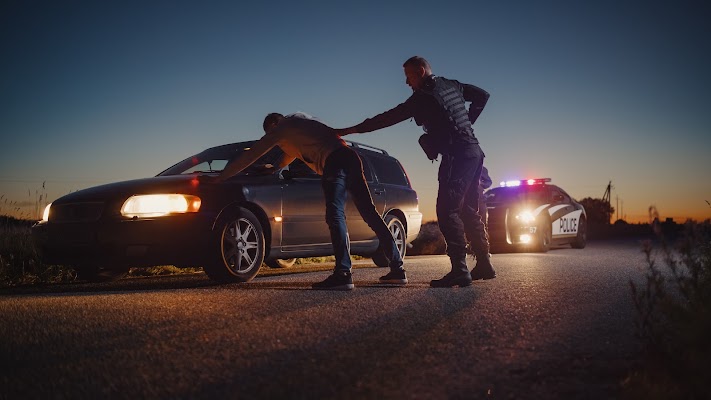
The current North Carolina standard for probable cause in DUI/DWI cases remains the “totality of circumstances” approach. Probable cause is defined as “a reasonable ground
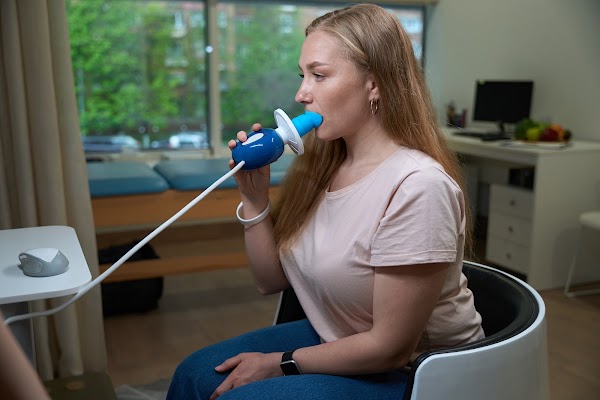
Pursuant to N.C.G.S. 20-16.2 (“North Carolina’s Implied Consent law”), once you’ve been arrested for an implied-consent offense, you are presumed to consent to a chemical
Driving While Impaired (DWI) charges in North Carolina carry significant consequences, including the possibility of jail time, heavy fines, and loss of driving privileges. However, not all DWI charges lead to convictions, particularly when there are suppressible issues involved. Suppression in legal terms refers to the court’s ability to exclude certain evidence from a trial if it was obtained in violation of the defendant’s rights. Understanding these suppressible issues, especially in the context of North Carolina law, is crucial for anyone facing DWI charges.
The initial interaction with law enforcement is critical in a DWI case. In North Carolina, police must have a valid reason, known as “reasonable suspicion,” to stop a vehicle. This could include observing a traffic violation or erratic driving. If a traffic stop was made without reasonable suspicion, any evidence obtained as a result of that stop would be suppressible.
When getting pulled over, it is essential to remain calm and polite, but also cautious about what information you provide. You are required to share your license and registration but are not obliged to answer incriminating questions. Politely declining to answer questions or comply with requested field sobriety tests is within your rights.
For an arrest to be lawful, the officer must have “probable cause” to believe that you were driving under the influence. This could be based on observations of your physical appearance, behavior, performance on field sobriety tests, or preliminary breath test results. If probable cause was lacking, the arrest itself could be challenged and suppressed.
BAC and breathalyzer results are often pivotal in DWI cases. However, these results can be suppressed if the testing was not conducted according to established legal and procedural standards. This includes ensuring the device was properly calibrated, the test was administered correctly, and the officer had the necessary certification to perform the test. Additionally, the defense can challenge the reliability of the results based on medical conditions or other factors that could affect the accuracy of the results.
In navigating the complexities of DWI charges in Raleigh, North Carolina, and the surrounding areas, having a skilled attorney like Edd Roberts of Roberts Law Office, PA, can be invaluable. With extensive experience in DWI defense, Edd Roberts understands the nuances of North Carolina DWI law and how to effectively challenge evidence that may have been obtained unlawfully.
Roberts Law Office, PA, specializes in identifying suppressible issues in DWI cases, from the legality of the traffic stop and arrest to the accuracy and admissibility of blood alcohol content and breathalyzer results. Their strategic approach focuses on protecting clients’ rights and pursuing the best possible outcomes, whether that means fighting for a case dismissal, reduction of charges, or acquittal at trial.
Understanding your rights and the legal standards that law enforcement must adhere to is the first step in building a defense. With the support of a knowledgeable and experienced DWI attorney like Edd Roberts, individuals facing DWI charges in Raleigh and beyond have a powerful advocate on their side. For anyone navigating these challenging circumstances, reaching out to Roberts Law Office, PA, could be a critical decision in the outcome of their case.
When stopping drivers for suspicion of driving while impaired, the police cannot pull you over at random. Law enforcement must justify the initial stop, with what is called “articulable and reasonable suspicion.” To develop this officers look for a traffic law violation or signs of intoxication to support a traffic stop. Warning signs may initially include speeding, weaving, falling too closely, or failing to signal.
Once the officer approaches your car, they will be looking for further evidence to support conducting a full blown DWI investigation, like the smell of alcohol or other illegal drugs, bloodshot eyes, slurred speech, and other observable indicators of possible impairment. As the officer talks with you, they will be looking inside your car for contraband. Examples of contraband could include empty alcohol containers or drugs. Once there are other indicators of impairment or admission to consumption of alcohol law enforcement will proceed on to having you do roadside tests.
If an officer has articulable and reasonable suspicion to believe you are driving while impaired, you may be asked to submit to one or more standardized field sobriety tests (SFSTs). These tests allow an officer to observe your physical ability, cognitive ability, attention level, balance, or other notable observations to help form an opinion that you were driving while impaired.
The three standard FSTs established by the NHTSA which are:
In North Carolina, you have the right to refuse any field sobriety test requested by a law enforcement officer. This right also extends to the preliminary breathalyzer test (PBT), which is generally requested before arrest. The PBT is often confused with the mandatory breath test. Currently North Carolina’s implied consent law states that a refusal of the breath test, usually conducted in the jail after arrest on a machine called an intoximeter, carries the penalty of revocation of your driver’s license for up to one year. If you decide to take this breath test to avoid that penalty of revocation you are still entitled to ask for a witness to observe this test and be given additional time for them to arrive to do so.
| Punishment Level | Maximum Fine | Minimum Active Time | Maximum Active Time | Suspended Sentence Requirements (Special Probation) |
|---|---|---|---|---|
| Aggravated Level 1 | $10,000 | 12 months | 36 months | Minimum 4 months imprisonment |
| Level 1 | $4,000 | 30 days | 24 months | Minimum 30 days imprisonment |
| Level 2 | $2,000 | 7 days | 12 months | Minimum 7 days imprisonment |
| Level 3 | $1,000 | 72 hours | 6 months | Minimum 72 hours imprisonment OR 72 hours community service (or a combination) |
| Level 4 | $500 | 48 hours | 120 days | 48 hours imprisonment OR 48 hours community service (or a combination) |
| Level 5 | $200 | 24 hours | 60 days | 24 hours imprisonment OR 24 hours community service (or a combination) |
The following rules apply uniformly to all six levels of punishment:
You are generally allowed by the court driving privileges after your first conviction of DWI and in some instances when you have had one or more prior convictions of DWI depending on the time frame of those convictions. A limited driving privilege is an Order issued in the discretion of the Court for good cause shown granting a person with a revoked driver’s license due to a DWI conviction to drive for essential purposes related to any of the following:
A person convicted of impaired driving (pursuant to N.C.G.S. 20-138.1) is eligible for a limited driving privilege if:
Subsequent to the offense date he/she has not been convicted of, or had an unresolved charge lodged against him/her for, an offense involving impaired driving; and
The person has obtained and filed with the court a substance abuse assessment.
DWI’s/DUI’s are complex and challenging cases with multiple stages where the accused’s legal rights could be violated. It is important to have a trained and experienced Raleigh DWI/DUI lawyer review every stage of the process in order to make sure that you receive the benefit when corners are cut and your rights have been violated.
Please contact us at [email protected] or give us a call at 919-782-8115 to set up a free consultation.
The information contained in this site is not intended to be legal advice. You should consult a lawyer for advice regarding your specific matter.