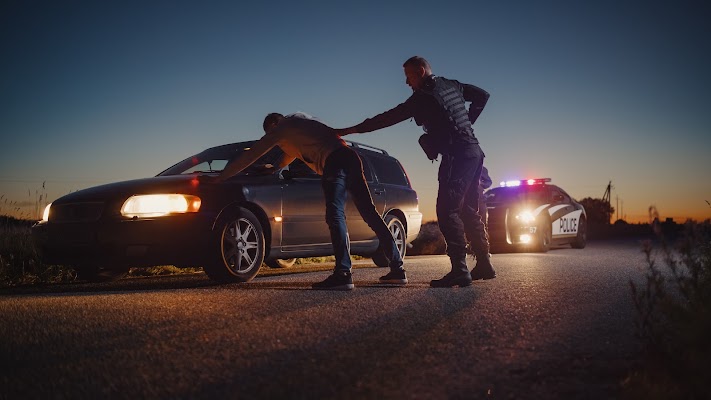
The current North Carolina standard for probable cause in DUI/DWI cases remains the “totality of circumstances” approach. Probable cause is defined as “a reasonable ground of suspicion, supported by circumstances sufficiently strong in in themselves to warrant a cautious man in believing the accused to be guilty.” State v. Fields, 268 N.C. App 561 (2019). Whether probable cause exists depends on the totality of the circumstances present at the moment of arrest, and whether at that moment factors exist to warrant a prudent man in believing that the suspect had committed or was committing a DUI offense.
There is an emphasis on analyzing each factor present individually before applying the totality test. State v. Sewell, 768 S.E.2d 650 (N.C. App. 2015) (unpublished), establishes that strong circumstantial evidence of impairment (red and glassy eyes, positive PBT for alcohol, odor of alcohol present, 6 out of 6 clues on the horizontal gaze nystagmus test) is not sufficient to establish probable cause when counterbalanced by evidence of sobriety (steady gait, normal speech, perfect performance on other FSTs). While Sewell’s authority was limited by its unpublished status, it continues to have persuasive value in DUI defense arguments, particularly when a defense attorney can identify factual similarities between their case and Sewell and argue that if probable cause did not exist in Sewell, it should not exist in their case either.