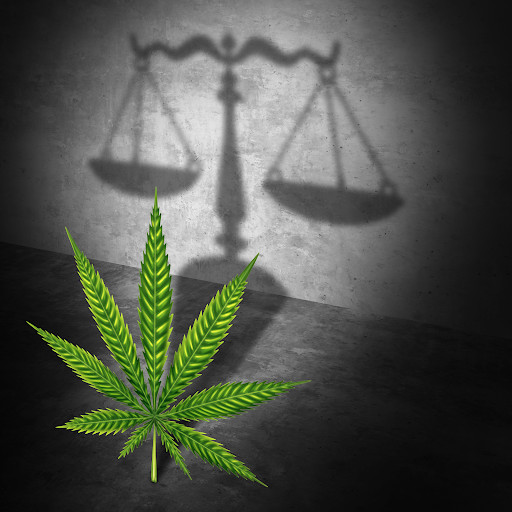
IS THE ODOR OF MARIJUANA ENOUGH TO DETAIN, INVESTIGATE, AND SEARCH A PERSON AND THEIR VEHICLE?
According to three recent North Carolina Supreme Court decisions (State v. Dobson, 929 S.E.2d 315; State v. Rowdy, 929 S.E.2d 324; and State v. Schine,
According to three recent North Carolina Supreme Court decisions (State v. Dobson, 929 S.E.2d 315; State v. Rowdy, 929 S.E.2d 324; and State v. Schine,
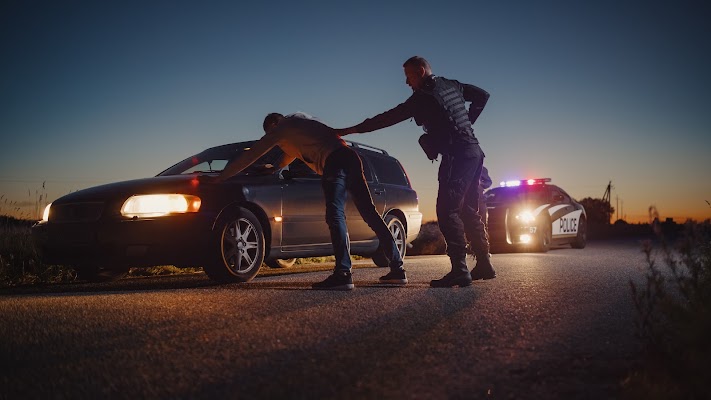
The current North Carolina standard for probable cause in DUI/DWI cases remains the “totality of circumstances” approach. Probable cause is defined as “a reasonable ground
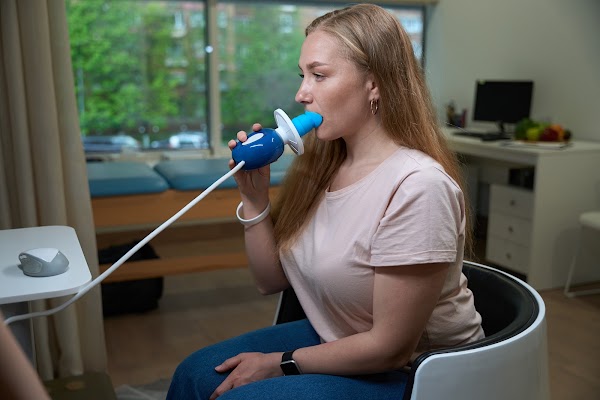
Pursuant to N.C.G.S. 20-16.2 (“North Carolina’s Implied Consent law”), once you’ve been arrested for an implied-consent offense, you are presumed to consent to a chemical

For first time offenders who are convicted with a breath or blood alcohol (BAC) result of 0.15 or higher a mandatory 1 year interlock requirement

Under North Carolina law, you can be charged with “Boating While Impaired (BWI).” North Carolina General Statute §75A-10(b1) makes it illegal to operate a vessel

North Carolina law contains a provision authorizing law enforcement to seize a vehicle at the time of arrest for a repeat DWI offender whose license

Effective December 1, 2024, the law expands eligibility for Limited Driving Privileges (LDPs) for certain offenders who previously would not have been eligible. Under the

Scenarios under North Carolina law that may require jail time for a DWI

N.C.G.S. § 20-138.1 makes it illegal to drive while under the influence of an impairing substance, which also includes prescription medications.

Upon reasonable suspicion of impaired operation of a motor vehicle pursuant to N.C.G.S. § 20-16.2 OR an observed motor vehicle violation, a law enforcement officer